It’s not too late to get your flu shot!

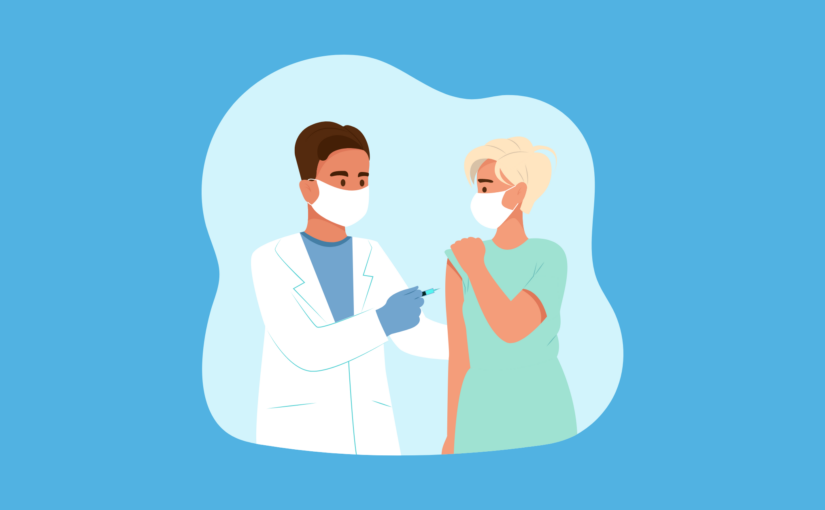
Have you gotten your flu shot yet? It’s not too late, whether you simply forgot or attempted to walk into CVS in October only to be told to come back in a month. Here I am to remind you if you haven’t gotten yours yet now is the time. While you’re at it might as well grab that new booster as well. 

The flu like many other respiratory illnesses is spread person to person through droplets projected when an infected person talks, sneezes and coughs. During the past few years due to the pandemic our society has had limited opportunities for such droplets to be expelled with the wearing of masks being prominent and social distancing causing many to remain a safe distance apart. But this fall as mask mandates become a thing of the past and many of us hang up our masks, return to work, ride the train and go to social events like concerts and parties once again we are back in the line of fire for cold & flu season. 

Which is why it is predicted that the flu will return this season with seemingly extra force as our bodies are reminded of the countless germs we encounter and intake while going about our daily lives.

Making this an extra important year to get your flu shot if you have yet to do so. If you have not, whether you simply forgot or attempted to walk into a pharmacy in October only to be told to come back in a month. Here I am to remind you if you haven’t gotten yours yet now is the time and while you’re at it might as well grab that new covid booster as well.
Schedule your flu shot here or here.

Achoo!

After all this time, it is easy to forget that there are other reasons for coughing and sneezing than Covid. Still, as we continue to acclimate back to public life in a seemingly post covid dominated era, it’s becoming evident that this allergy season stands out from the rest. 

Earlier this fall ABC News hit the nail on its head in Detroit reporting researchers have found that “climate change is leading to more pollen in the air we breathe and tough seasons like this one,” yet another reason we need to make efforts to become a more eco-conscious society. But more to the point, how can you set yourself up for less runny allergy season, well we have some tips to boost that immune system of yours; 

Get moving

Implementing physical activity into your fall routine boosts your health and lessens your susceptibility to sickness. Now I know it’s common to throw exercise in to solve many health concerns. Still, the proof is in the pudding with this tip, a professor at Appalachian State University known for his research in exercise, nutrition, and immunology, David Nieman, told the New York Times about a study he conducted in 2011 following more than 1,000 adults living in North Carolina for three months in 2008. In this study, many aspects of the subjects’ lives were logged, such as diet and exercise and how often they were sick, but the number one lifestyle factor was physical activity.    

Listen to your body 

Now in that same breath, there is such a thing as over-doing it. While there is no measure for what is considered too much exercise, taxing your body can suppress the immune system making you susceptible to infection. Everyone is different, what is manageable for you may not be the same for your loved ones, so it is essential to listen to your own body and not measure or compare yourself to those around you. Stress and a lack of sleep can also reduce the body’s response to infection. Stay in touch with yourself physically and mentally. 

Follow a healthy diet. 

Now, diet is another easy ‘cure-all’ for health concerns for a reason. Brightly colored fruits, vegetables, citrus, fruits, red cabbage, and kale are all excellent sources of “flavonoids,” the chemical compound found in plants that help the body fight inflammation and illness. Additionally, items probably already in your daily routines, such as tea, coffee, dark chocolate, and specific grains such as buckwheat, are also considered flavonoids.

Keep those covid precautions in mind. 

Washing your hands often, getting your flu shot as well as the most up-to-date covid booster, and even wearing a mask may feel oh so 2020 but will continue to lessen your chances of getting sick. Consider testing before big social gatherings, and asking others to do so can minimize the risk of infection to everyone in your orbit. While this is one of the worst allergy seasons, Covid-19 is still in the air, and it is still a consideration we must all be wary of.

Be prepared 

Colds and allergies can aggravate respiratory conditions such as asthma. Ensure your inhaler and medications are recent and on hand when needed. Additionally, take your allergy medication every day of the season to fend off any sniffles in the future, regardless if you feel any symptoms. Implementing vitamins into your daily routine if you have not already done so is another way to prepare your body to fight infection. 

Unfortunately, allergies are a seemingly unavoidable part of life, the CDC clocks as many as 60 million Americans suffering from seasonal allergies. All we can do is try to boost our immune systems and carry tissues in our bags during this time.


For more tips read this NYT article here

Preventive screenings

You never know what life is going to throw your way. The unknown can make life exciting, but when it comes to your health, don’t live your life not knowing what’s happening under the surface. It’s easy to think, you know, to say you know your body and you would know if something was wrong. But, unfortunately, assuming you know and proactively checking are two very different practices. As much as we think we know our bodies, Sometimes they are loud when something is wrong (like when your stomach grumbles when you’re hungry or you feel pain when you fall), and sometimes our bodies are eerily quiet, and you don’t know there is an issue until it’s too late. 

That is why it is essential to get preventive screenings consistently. Preventive screenings are an excellent tool for knowing what’s happening inside your body. If you are at high risk for a condition, knowing so can help you to take steps to protect your health and delay or, in a perfect world, alleviate the situation altogether. A prime example of using preventive screenings as a tool to better your health is by getting a carotid artery screening. Strokes are often called the silent killer as they have no symptoms, but by getting a carotid artery screening, you can take proactive steps to know whether or not you have the possibility of a stroke. Preventive screenings are all about giving you the power to know your body. 

October is always a good reminder to get screenings done especially considering the length we discuss and remember all who we have lost to breast cancer. But preventive screenings are not limited to testing for cancers such as breast cancer. Health professionals most commonly screen for the following conditions:

  • High blood pressure
  • Breast cancer and cervical cancer in women
  • Colorectal cancer
  • Type 2 diabetes
  • Osteoporosis
  • Obesity
  • Lung cancer
  • Abdominal aortic aneurysm

Our mission here at HealthEE by HBG is to give you power over your health through access and education. Still, another vital aspect of utilizing that power is getting tested. Please don’t put this off. Our medical plans cover preventive care. Get screened today.