
Do you know what you’re missing from your book of business?

It is difficult to discuss the current state of affairs for any industry without returning to the long-lasting effects of the COVID-19 pandemic, so bear with us. Among the challenges and work-from-home realizations, there were some among us not afforded the luxury of WFH. Essential workers, we dubbed them, the (in many cases) part-time workers keeping our supermarkets, delivery services, transportation, and even hospitals functioning. Even now, as we have returned to a sense of normalcy, WFH is still prevalent, and part time employees are still on the front lines. They form relationships with a brand’s consumers, the ones who are the faces of a company day in and day out. And yet they are missing from most brokers’ books of business. Why? 

Have we not experienced the vitality of the part-time worker these past few years? And of course we are also amidst a movement known as the great resignation, meaning companies need to do more to retain their employees. Covid-19 showed us how much we need part-time workers, but it also gave those workers every reason to want to quit their jobs. It’s up to employers now to find new solutions to hold fast to those employees and find new ones in a time where there are a plentiful number of WFH postings.

The pandemic has left brokers with new opportunities. Where traditionally, a broker’s book of business has not included the part-time employee, now they can. Not only is this a new market for brokers, but it also provides tangible value to the business owners. Part-time employees are the backbone of companies, and providing possible and accessible benefits will up current retention and incentivize new employees alike.
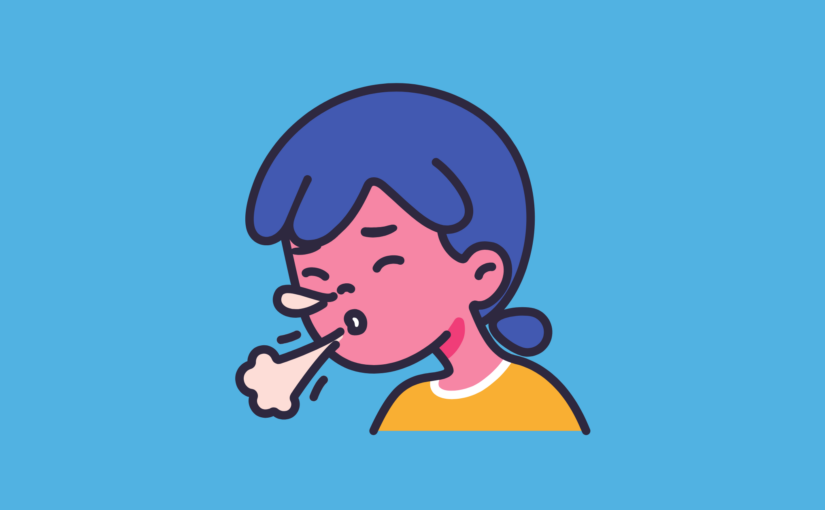
Achoo!

After all this time, it is easy to forget that there are other reasons for coughing and sneezing than Covid. Still, as we continue to acclimate back to public life in a seemingly post covid dominated era, it’s becoming evident that this allergy season stands out from the rest. 

Earlier this fall ABC News hit the nail on its head in Detroit reporting researchers have found that “climate change is leading to more pollen in the air we breathe and tough seasons like this one,” yet another reason we need to make efforts to become a more eco-conscious society. But more to the point, how can you set yourself up for less runny allergy season, well we have some tips to boost that immune system of yours; 

Get moving

Implementing physical activity into your fall routine boosts your health and lessens your susceptibility to sickness. Now I know it’s common to throw exercise in to solve many health concerns. Still, the proof is in the pudding with this tip, a professor at Appalachian State University known for his research in exercise, nutrition, and immunology, David Nieman, told the New York Times about a study he conducted in 2011 following more than 1,000 adults living in North Carolina for three months in 2008. In this study, many aspects of the subjects’ lives were logged, such as diet and exercise and how often they were sick, but the number one lifestyle factor was physical activity.    

Listen to your body 

Now in that same breath, there is such a thing as over-doing it. While there is no measure for what is considered too much exercise, taxing your body can suppress the immune system making you susceptible to infection. Everyone is different, what is manageable for you may not be the same for your loved ones, so it is essential to listen to your own body and not measure or compare yourself to those around you. Stress and a lack of sleep can also reduce the body’s response to infection. Stay in touch with yourself physically and mentally. 

Follow a healthy diet. 

Now, diet is another easy ‘cure-all’ for health concerns for a reason. Brightly colored fruits, vegetables, citrus, fruits, red cabbage, and kale are all excellent sources of “flavonoids,” the chemical compound found in plants that help the body fight inflammation and illness. Additionally, items probably already in your daily routines, such as tea, coffee, dark chocolate, and specific grains such as buckwheat, are also considered flavonoids.

Keep those covid precautions in mind. 

Washing your hands often, getting your flu shot as well as the most up-to-date covid booster, and even wearing a mask may feel oh so 2020 but will continue to lessen your chances of getting sick. Consider testing before big social gatherings, and asking others to do so can minimize the risk of infection to everyone in your orbit. While this is one of the worst allergy seasons, Covid-19 is still in the air, and it is still a consideration we must all be wary of.

Be prepared 

Colds and allergies can aggravate respiratory conditions such as asthma. Ensure your inhaler and medications are recent and on hand when needed. Additionally, take your allergy medication every day of the season to fend off any sniffles in the future, regardless if you feel any symptoms. Implementing vitamins into your daily routine if you have not already done so is another way to prepare your body to fight infection. 

Unfortunately, allergies are a seemingly unavoidable part of life, the CDC clocks as many as 60 million Americans suffering from seasonal allergies. All we can do is try to boost our immune systems and carry tissues in our bags during this time.


For more tips read this NYT article here